🐣🥚What came first - the problem egg or the solution chicken? Explores what happens when solutions come before the problem or when one tries to find a problem that fits a solution – why it's usually a bad idea, and why it might sometimes succeed.
Which came first, the solution or the problem?
Many engineers, consultants, product people, founders…etc would stand by the virtue to be solution agnostic when building a new product.
Solution Agnostic: here’s some interpretations
- Problem first, solution second.
- Be versatile in solutions, specific in problem.
- Fit the solution to the problem, and not the problem to solution.
Especially for engineers, we’re keen as beans to use the coolest and latest tech to solve whatever problem comes next.
I felt this mindset strongly when I had to resist it. I had this solution agnosticism drilled into me in Perth BioDesign in 2019 (modelled after Stanford’s BioDesign). For the first two months of six, constantly re-focusing onto identifying unmet clinical needs.
E.g. Context: I was observing surgeries in the emergency and burns department at Fiona Stanley Hospital. Problem: a diabetic patient had his leg amputated. Solution: yikes, he could use a new leg.
It made sense.
Come up with a solid specific and constrained problem – an unmet need. Then ideate and design a solution with whatever is needed to solve it.
Shaped ball analogy
My analogy for problem-solution fit is to imagine trying to fit shapes in a shaped ball toy
- Find a ball (identify a unique problem) with its unique configuration of shaped holes
- Fill the ball with shapes (solve it and build the solution) with appropriate shapes for each hole
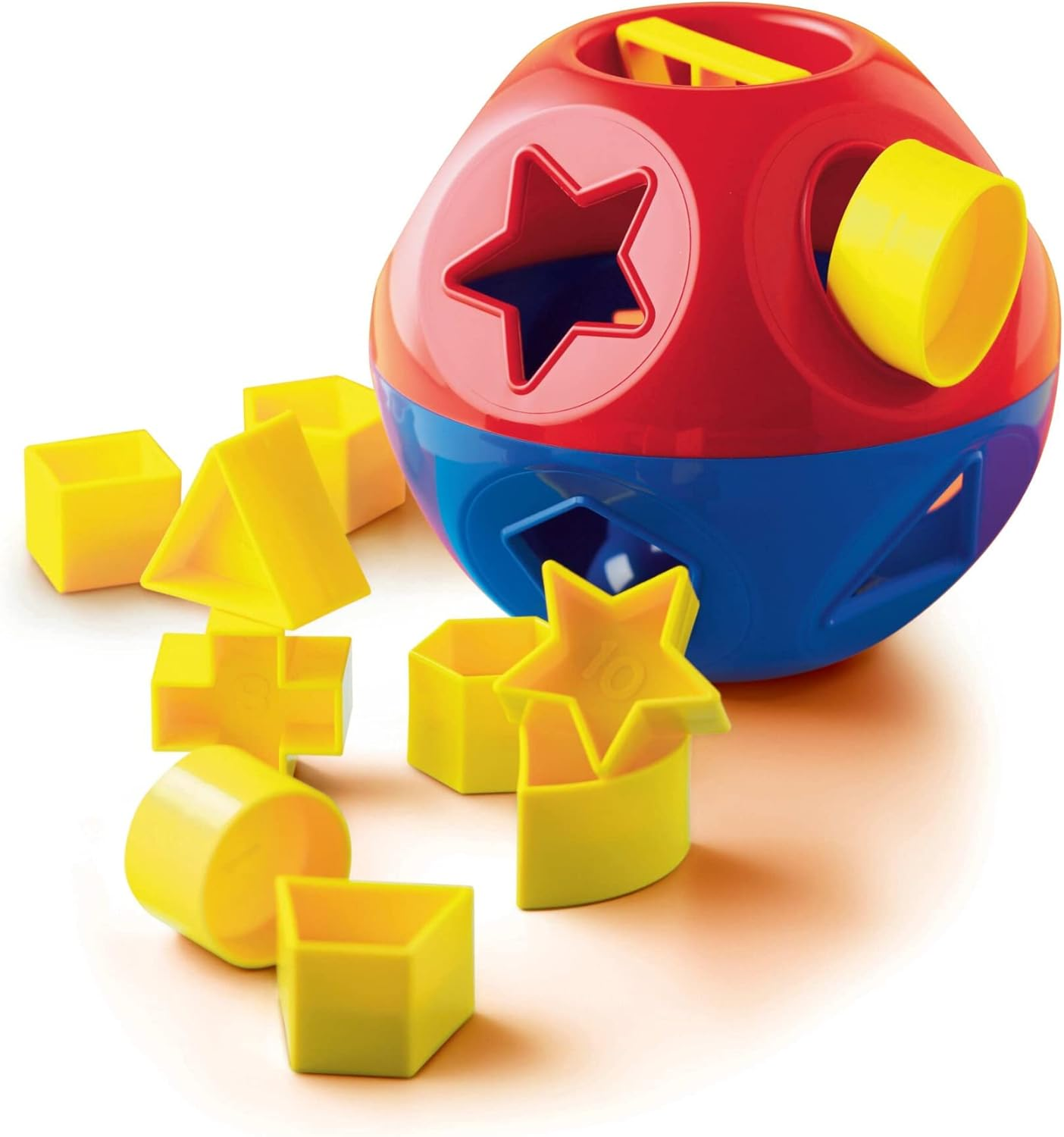
Now, imagine going the other way - in trying to fit the wrong shapes into the ball forcefully.
I chuckle to imagine a toddler trying to cram a triangle and various non-circle shapes into the circle shape. 😂
The result?
- Warping the plastic of multiple shapes (blowing the product’s resource constraints)
- And finally fitting it in with a ball filled with distorted solutions. (poor problem-solution fit)
You can read any article online about why solution agnostic and problem-focused is the tried and true way to go.
I just like my shaped ball analogy because it was a favourite toy as a kid :‘)
When solution-to-problem can possibly work
However, I noticed that as I accumulated experience and did more hackathons – I developed flexibility. I could sometimes go backwards, like:
- Identify the team’s skillset mix, ideate a solution, and then pick problem for it.
- Or try some new tech, think of a feature, tie it back into the problem and ensure narrative cohesion.
- Or focus on some new capability and run through different problem spaces in my mind until one seems to fit.
And it worked sometimes! There were times it was forceful, and sometimes led to feature creep.
However, sometimes a magical problem-solution combo came out. It was often fun because it would often mean building with the latest and most interesting tech.
Why could it work?
I got a few angles here I’m hypothesising.
1. More Possible Combinations – Breadth and Depth of experience in Problems:
Think of gathering more shaped balls (problems) and/or getting more shapes to try – you've increased the chances of fitting the two together.
Gaining more experience and developing some domain knowledge in different problem spaces is like gaining more shaped balls. Now you have more shaped balls to try fitting your weird hexagonaltriangle shape solution to. One suddenly fits!
Analogy 1: Stone Sculptor gets a laser drill. - Imagine you’re a stone sculptor and have learnt a toolkit of solutions (a wooden hammer, a steel chisel…etc). - You’ve sculpted a few granite difficulty problems. - From your journey, you had found a few diamond difficulty problems - but never made a dent. - Now you got given a laser drill in the form of your team or a new open-source AI model. - You gleefully return to those diamond problems and absolutely destroy it.
Analogy 2: Minecraft player gets a diamond pickaxe.
- …repeat above but with Minecraft analogy.
2. Pre-work – Fermenting Problems and Pre-cooked Problems
Often, the best ideas come from the subconscious. That spark of brilliance in the shower or on a walk.
I believe some problems we encountered in the past stew over a long period of time – just below our conscious surface thoughts.
And, our subconscious can steadily deliver those solutions to it over time.
So it’s not that we went from solution to problem, but rather that our brains had done most of the pre-work on problems already and now are simply tying the solution we found to it. We’re still going from problem to solution!
Conclusion
- The solution agnostic, problem-to-solution, approach works reliably!
- Especially,
- when you and your team lack familiarity with the problem space.
- or there is low risk-tolerance.
- I love the shaped ball deformation analogy ⚽️
- However, sometimes do not blindly fear going from solution-to-problem (with validation from problem-to-solution after)
- If you or your team has some cross-disciplinary experience in problems and solutions (getting more access to more shapes and balls)
- Or if you’ve realised it was a pre-cooked problem.